
To use WordPress Multisite, you’ll start by backing up your site and enabling the feature in your wp-config.php file. Then, set up the network under Tools > Network Setup. Customize user roles, choose a default theme, and manage plugins across all sites. It’s great for businesses or organizations needing multiple sites under one dashboard. If you’re curious about common use cases and troubleshooting tips, there’s plenty more to explore.
What Is WordPress Multisite and How Does It Work?
WordPress Multisite is a powerful feature that lets you run multiple websites from a single WordPress installation. This setup enhances site scalability, allowing you to efficiently manage various sites with ease.
You can customize user permissions for different roles, ensuring everyone has the access they need without compromising security. To improve performance, you’ll want to focus on performance optimization and effective resource allocation.
Additionally, leveraging SEO optimization plugins can significantly enhance the visibility of all sites within the network. Content sharing across sites becomes seamless, but be wary of potential plugin conflicts that could arise. Implementing robust backup strategies is essential to mitigate migration challenges.
Benefits of Using WordPress Multisite for Your Websites
Using WordPress Multisite offers numerous advantages for managing multiple websites efficiently.
You’ll enjoy enhanced site performance since all your sites share the same resources, minimizing downtime.
User collaboration becomes seamless, allowing teams to work together across various sites without hassle.
Security enhancements are built-in, enabling you to update plugins and themes across the network easily.
Content sharing between sites fosters creativity and consistency, helping maintain branding across all your projects.
You’ll also benefit from cost efficiency, as a single hosting plan can support numerous sites.
Plus, the SEO advantages are significant; a unified network can boost your overall search visibility.
Finally, maintenance simplicity means less time spent managing updates and more time focusing on growing your online presence. Additionally, the user-friendly interface of WordPress makes it easy for non-tech users to manage multiple sites without extensive training.
Step-by-Step Guide to Setting Up WordPress Multisite
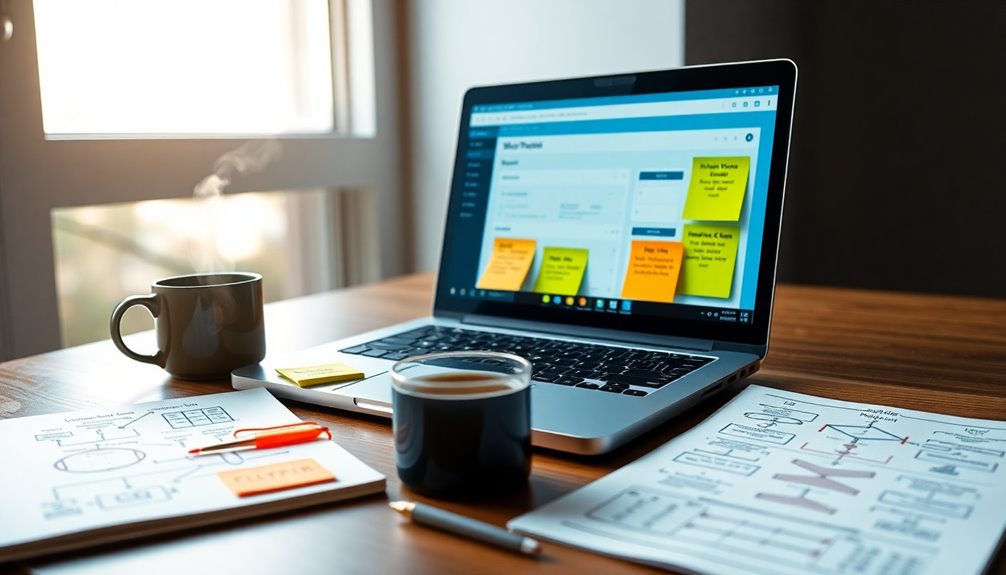
Setting up a WordPress Multisite network can feel challenging, but it’s a straightforward process if you follow the right steps. Here’s how to get started:
- Backup your site – Always save your current site data before making changes.
- Edit the wp-config.php file – Add the line `define(‘WP_ALLOW_MULTISITE’, true);` to enable the Multisite feature.
- Install the network – Go to the WordPress dashboard, select Tools > Network Setup, and choose between subdomains or subdirectories.
- Set up custom site templates – Create templates for your new sites and configure user permissions for different roles. This approach enhances site management efficiency, allowing you to easily maintain multiple sites under one network.
Configuring Network Settings and User Roles
Configuring network settings and user roles is essential for managing your WordPress Multisite effectively. Start by venturing to the Network Admin dashboard, where you can customize settings that control site permissions and user capabilities.
Here, you can define user roles, such as Super Admin, Admin, and Editor, tailoring role management to fit your needs. Guarantee each role has the appropriate permissions to maintain security and functionality across your network.
You can also adjust settings customization to fit your specific requirements, like enabling or disabling registration for new sites. By carefully configuring these aspects, you’ll create a well-structured environment that promotes efficient management and collaboration among users, all while safeguarding your network. Additionally, understanding user roles and permissions ensures that each team member can contribute effectively while maintaining the integrity of your Multisite setup.
Managing Themes and Plugins Across Your Multisite Network
Managing themes and plugins across your Multisite network is essential for maintaining consistency and functionality. Here’s how to effectively manage them:
- Theme Customization: Choose a default theme for all sites, allowing for individual customization while keeping a unified look.
- Plugin Compatibility: Regularly check that plugins are compatible with your WordPress version to prevent conflicts.
- Security Considerations: Confirm that plugins and themes come from reputable sources to protect your network from vulnerabilities.
- Backup Strategies: Implement regular backups to safeguard against data loss, especially after theme or plugin updates, as automated backups can significantly reduce the risk of losing important data.
How to Add New Sites to Your WordPress Multisite?
Adding new sites to your WordPress Multisite network is a straightforward process that can expand your online presence.
You’ll want to contemplate different domain mapping options to guarantee each site fits your overall strategy.
Let’s explore how to create sites and choose the right mapping for your needs. Additionally, understanding the installation process is crucial to ensure each new site is set up effectively.
Site Creation Process
Creating new sites in your WordPress Multisite network is a straightforward process that can enhance your online presence considerably. Follow these steps to get started:
- Choose Site Templates: Use existing templates for consistent themes and layouts.
- Set User Permissions: Assign roles to control access and maintain security measures across sites.
- Customize Site Features: Tailor each site’s design and functionality to meet specific needs, ensuring plugin compatibility and theme consistency.
- Implement Backup Strategies: Regularly back up each site to safeguard your content and maintain network performance.
Domain Mapping Options
After setting up your sites and customizing their features, it’s time to explore how to map different domains to your WordPress Multisite network. You can choose between subdomain mapping and subdirectory mapping based on your needs.
If you opt for custom domains, using third-party services can simplify the process. Remember to configure wildcard DNS for smooth domain handling.
Consider SEO considerations carefully; each site should have its own distinct identity. Additionally, manage SSL certificates for secure connections, ensuring site performance isn’t compromised.
Ultimately, the right mapping option enhances user experience while keeping your network organized and efficient. Choose wisely to align with your goals and maintain a robust online presence.
Common Use Cases for WordPress Multisite
WordPress Multisite is perfect for managing multiple sites from a single dashboard. You’ll love how it streamlines updates and lets you apply themes across all your sites effortlessly. Let’s explore some common use cases that can enhance your workflow and efficiency.
Additionally, with GoDaddy’s built-in caching, your multisite can benefit from improved load times across all connected sites.
Multiple Sites Management
Managing multiple sites through WordPress Multisite opens up a world of possibilities for businesses, organizations, and individuals. You can streamline your site organization and enhance efficiency by managing everything from a single dashboard.
Here are some common use cases:
- User Permissions: Control access for different users across sites easily.
- Network Performance: Optimize performance by sharing resources and minimizing server load.
- Backup Strategies: Implement consistent backup strategies for all sites in one go.
- Plugin Compatibility: Guarantee that plugins work seamlessly across your network while maintaining security measures.
With custom configurations and site analytics, you can tailor each site to meet specific needs, assuring a robust and user-friendly experience across your entire network.
Centralized Updates and Themes
With the ability to manage multiple sites from a single dashboard, WordPress Multisite simplifies the process of keeping everything up-to-date.
You can take advantage of centralized management to perform updates and manage themes across your entire network effortlessly. This feature allows for update synchronization, meaning when you update a plugin or theme, it applies to all sites, saving you time and ensuring consistency.
Plus, you can customize themes per site, allowing for unique branding while still maintaining a cohesive network.
This streamlined approach not only enhances your workflow but also improves network performance, as fewer resources are spent on individual updates.
Embrace these tools to make your multisite management a breeze!
Troubleshooting Common Issues in WordPress Multisite
Although running a WordPress Multisite can streamline your site management, you might encounter some common issues along the way.
Running a WordPress Multisite simplifies management, but be prepared to tackle common challenges that may arise.
Here are a few troubleshooting tips to keep in mind:
- Error Messages: Check for any error messages that might indicate plugin conflicts or theme compatibility issues.
- Network Performance: Monitor your network performance to identify any slow sites or downtime, which could stem from database management problems.
- User Permissions: Verify user permissions are correctly set; incorrect permissions can lead to access issues.
- Security Issues: Regularly review your SSL configuration and DNS settings to prevent security vulnerabilities. Additionally, ensure that you are using reputable hosting providers to enhance your site’s security posture.
Don’t forget to maintain a site backup to recover quickly from any mishaps!
Best Practices for Maintaining a WordPress Multisite Network
To keep your WordPress Multisite network running smoothly, it’s essential to follow best practices that enhance both performance and security.
Start by implementing strong security measures, such as regular updates and robust user management.
Adopt backup strategies to prevent data loss and guarantee you have a recovery plan in place. Regular backups enable quick restoration of websites, minimizing downtime.
Focus on resource allocation to maintain peak site performance, and monitor traffic to identify potential issues.
Maintain theme consistency across sites for a unified look, while verifying plugin compatibility to avoid conflicts.
Regularly review your network scalability to accommodate growth.
Establish clear update schedules for themes and plugins, keeping everything current and secure to enhance the overall functionality of your network.
Conclusion
In wrapping up, WordPress Multisite makes managing multiple sites a breeze. By harnessing its powerful potential, you can create a cohesive community of connected content. Whether you’re launching a business brand or building a bustling blog network, this setup simplifies site supervision. Stay savvy with security, streamline your strategy, and let your online presence flourish. Immerse yourself in the dynamic world of Multisite, and watch your web wizardry work wonders!