


To build a professional portfolio on WordPress in 2026, start by choosing a flexible theme that reflects your personal brand. Make certain it’s responsive and customizable. Don’t overlook essential plugins like Envira Gallery and Elementor to enhance functionality. Prioritize SEO strategies to boost visibility. Regular updates keep your content fresh and engaging. Finally, track performance metrics to refine your approach. There’s much more to explore to create a standout portfolio that attracts clients.
Why WordPress Is the Best Choice for Your Portfolio

When it comes to showcasing your work, WordPress stands out as a powerful platform. One of the key WordPress advantages is its incredible portfolio flexibility.
You can easily customize layouts, colors, and typography to reflect your unique style and personality. Plus, with numerous themes and plugins, you can enhance functionality without needing to code. This means you can focus on what truly matters: presenting your work effectively.
Whether you’re a photographer, designer, or writer, WordPress allows you to create a visually stunning portfolio that grabs attention. You’ll appreciate the intuitive interface, making it simple to update your content regularly.
Additionally, with options like customizable WordPress themes, your portfolio can maintain a professional look that evolves with your career.
Ultimately, choosing WordPress guarantees your portfolio not only looks great but also adapts to your evolving needs and goals.
Key Features to Look For in a Portfolio Theme
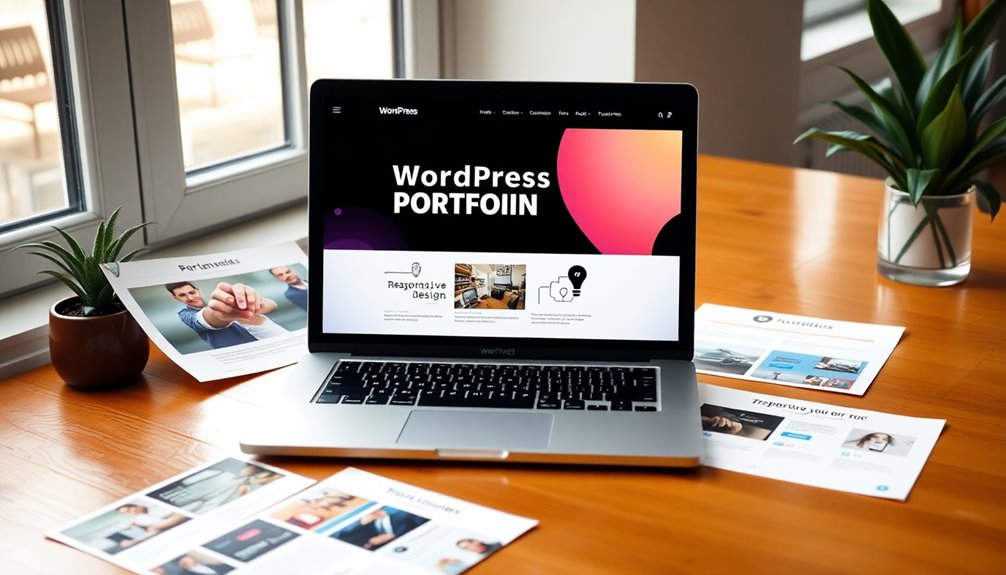
When choosing a portfolio theme, you need to take into account key features that can make or break your site.
A responsive design guarantees your portfolio looks great on any device, while strong customization options let you tailor it to reflect your personal brand. Additionally, selecting a theme with SEO-friendly characteristics can significantly enhance your online visibility and attract more viewers to your portfolio.
Let’s explore these essential elements to help you find the perfect fit.
Responsive Design Importance
Although you might’ve an impressive collection of work, it won’t shine if your portfolio isn’t designed to adapt across devices. A responsive design is essential for showcasing your projects effectively, ensuring that they look great on desktops, tablets, and smartphones.
Look for themes that incorporate responsive grids, allowing your content to rearrange seamlessly based on screen size. This flexibility enhances user experience and keeps visitors engaged.
Mobile optimization is another key feature; as more users browse on their phones, your portfolio should load quickly and display beautifully on smaller screens.
Customization Options Availability
To truly make your portfolio reflect your unique style and skills, you’ll want a theme that offers a variety of customization options.
Look for custom themes that provide user-friendly customization features to guarantee you can easily tailor your site. Here are some key aspects to evaluate:
- Drag-and-drop builders: Simplifies layout adjustments without coding.
- Color and font options: Personalize your aesthetic to match your brand.
- Responsive design controls: Fine-tune how your portfolio looks on all devices.
- Widget-ready areas: Add functionality and versatility to your layout.
How to Choose the Right WordPress Hosting Provider?

How can you guarantee your WordPress site runs smoothly and efficiently? Choosing the right hosting provider is essential.
Start by evaluating hosting features that suit your needs, like speed, security, and customer support. Look for providers that offer solid uptime assurances and scalable options as your portfolio grows.
Next, make a provider comparison. Read reviews, check performance metrics, and consider pricing plans. Don’t just settle for the cheapest option; invest in quality hosting to make certain your site remains accessible and fast.
Lastly, check if they provide one-click WordPress installation, backups, and SSL certificates. These features can save you time and enhance your site’s security. Additionally, consider opting for managed WordPress hosting to ensure enhanced security and performance tailored for your needs.
Making an informed choice will set you up for success in showcasing your professional portfolio.
Essential Plugins for Enhancing Your Portfolio
When you’re building your portfolio on WordPress, the right plugins can make a huge difference. These must-have tools enhance your visual presentation and help showcase your work effectively. Let’s explore the essential plugins that will elevate your portfolio to the next level. Additionally, utilizing performance optimization plugins can significantly improve your site’s speed and user experience, making your portfolio even more appealing.
Must-Have Portfolio Plugins
A well-crafted portfolio can greatly elevate your professional presence, and the right plugins can make all the difference.
To enhance your portfolio showcase, consider these plugin recommendations that will streamline your process and boost engagement:
- Envira Gallery: Perfect for creating stunning galleries that are mobile-responsive.
- WP Portfolio: This plugin offers customizable layouts for showcasing your work effectively.
- Elementor: A powerful page builder that allows for easy drag-and-drop design, giving you full control.
- Smash Balloon: Great for integrating social media feeds, keeping your portfolio fresh and dynamic.
Using these plugins won’t only improve your portfolio’s functionality but also guarantee it stands out in a competitive landscape.
Make your portfolio shine with the right tools!
Enhancing Visual Presentation
To truly capture your audience’s attention, enhancing the visual presentation of your portfolio is essential. Start by using essential plugins that support visual storytelling, allowing you to showcase your work in an engaging way.
Consider plugins like Envira Gallery or Modula, which offer stunning galleries and engaging layouts to highlight your projects. For video integration, try using WP Video Lightbox, making your portfolio dynamic and interactive.
Additionally, leverage page builder plugins like Elementor or Beaver Builder to create custom layouts that draw viewers in. Remember, a visually appealing portfolio not only showcases your skills but also reflects your unique style.
Invest time in these tools, and you’ll elevate your professional presence online.
Designing Your Portfolio: Layouts and Aesthetics
While designing your portfolio, the layout and aesthetics play an essential role in showcasing your work effectively.
The layout and aesthetics of your portfolio are crucial for effectively showcasing your work.
To create a visually appealing portfolio, consider these key elements:
- Layout Inspiration: Explore different grid layouts to find what highlights your work best.
- Color Schemes: Choose colors that reflect your personal brand and invoke the right emotions.
- Typography: Use readable fonts that enhance your content without distracting from it.
- Aesthetic Trends: Stay updated on current design trends to keep your portfolio fresh and modern.
- Incorporating clean and elegant design can significantly enhance the professional appeal of your portfolio.
Showcasing Your Work: Best Practices for Image and Content Display
When showcasing your work, high-quality visuals are essential for making a strong impression.
A consistent branding approach helps tie your portfolio together and reinforces your identity.
Additionally, clear project descriptions provide context and highlight your skills effectively. Furthermore, utilizing over 2,000 premade layouts can streamline the design process and enhance the overall presentation of your portfolio.
High-Quality Visuals Matter
High-quality visuals play an essential role in capturing your audience’s attention and showcasing your work effectively. By incorporating impactful imagery, you can elevate your portfolio and engage viewers through visual storytelling.
Here are some best practices to contemplate:
- Use high-resolution images that highlight your work’s details.
- Opt for a consistent style that reflects your brand identity.
- Incorporate graphics or infographics to convey complex ideas simply.
- Confirm images are optimized for fast loading without sacrificing quality.
Consistent Branding Approach
A consistent branding approach is essential for making your portfolio stand out and resonate with your audience. By ensuring branding consistency across all elements, you create a cohesive experience that reinforces your visual identity.
Choose a color palette and typography that reflect your style, and use them consistently throughout your portfolio. When displaying images, maintain similar styling—whether it’s through borders, filters, or layouts—to unify your work. This not only enhances the overall aesthetic but also makes it easier for viewers to recognize your unique brand.
Clear Project Descriptions
While showcasing your work, clear project descriptions play an essential role in helping viewers understand your thought process and the context behind each piece.
These descriptions not only highlight your project’s key features but also foster audience engagement.
To make your descriptions impactful, consider including:
- Objectives and challenges: Explain what you aimed to achieve and the obstacles you faced.
- Process and techniques: Share your approach and any unique methods you used.
- Outcome and results: Highlight the project’s success and any measurable results.
- Personal reflections: Offer insights on what you learned and how it influenced your growth.
Crafting Compelling Case Studies and Project Descriptions
When you showcase your work through case studies and project descriptions, you’re not just sharing what you’ve done; you’re telling a story that highlights your skills and problem-solving abilities.
Start with a clear case study structure: introduce the project, outline the challenges faced, and detail your approach. This framework helps potential clients understand your thought process.
A well-structured case study introduces the project, highlights challenges, and details your approach, showcasing your thought process to potential clients.
Use project storytelling to make your work relatable; describe the emotions and stakes involved. Include visuals to support your narrative, as they can enhance comprehension and engagement.
Always conclude with measurable outcomes, demonstrating the impact of your work. By crafting compelling case studies, you’ll not only attract attention but also build trust with your audience, showcasing your unique value in a crowded market. Additionally, using SEO optimization plugins can further enhance the visibility of your portfolio, ensuring it reaches a wider audience.
Integrating Social Media: Sharing Your Work With a Wider Audience
Integrating social media into your portfolio strategy can greatly expand your reach and visibility.
By leveraging social media integration, you can showcase your work to a broader audience and enhance audience engagement.
Here are some tips to effectively use social media:
- Share your projects on platforms like Instagram and LinkedIn.
- Use relevant hashtags to attract your target audience.
- Engage with followers through comments and direct messages.
- Collaborate with influencers or other creators in your field.
Additionally, incorporating TikTok plugins into your portfolio can further enhance user engagement and keep visitors on-site longer.
The Importance of User Experience in Portfolio Design
Creating a compelling portfolio goes beyond just showcasing your work; it hinges on delivering a seamless user experience. When you prioritize user-centered design, you make it easier for visitors to engage with your content.
Use intuitive navigation to guide users effortlessly through your projects, guaranteeing they find what they’re looking for without frustration. A well-organized layout and clear calls to action keep your audience focused, enhancing their overall experience.
Intuitive navigation and a well-organized layout ensure visitors can easily explore your projects and stay engaged.
By incorporating responsive design elements, you guarantee your portfolio looks great on any device. Remember, the smoother the experience, the more likely visitors will appreciate your work and reach out for collaborations or inquiries. Additionally, consider integrating essential SEO tools to boost your portfolio’s visibility and attract more potential clients.
Ultimately, a strong user experience can set your portfolio apart in a competitive landscape.
SEO Strategies to Optimize Your Portfolio for Search Engines
To guarantee your portfolio stands out in search engine results, implementing effective SEO strategies is essential.
Focus on these key areas to boost your visibility:
- Keyword Research: Identify relevant keywords for your niche to attract the right audience.
- On-Page Optimization: Optimize titles, headers, and meta descriptions with target keywords to improve rankings.
- Backlink Strategies: Build quality backlinks through guest posts and collaborations to enhance authority.
- Content Marketing: Create engaging, high-quality content that resonates with your audience and encourages sharing.
In addition, regularly updating content signals site activity to search engines, which can further enhance your SEO effectiveness.
Don’t forget about technical SEO, mobile SEO, and image optimization to guarantee a smooth user experience.
Use analytics tracking to monitor progress and adjust your strategies based on competitor analysis to stay ahead in the game!
How to Update and Maintain Your Portfolio Regularly?
Although maintaining a professional portfolio might seem intimidating, regularly updating it is vital for showcasing your latest work and skills. To keep your portfolio fresh, schedule consistent portfolio updates—monthly or quarterly works best.
Focus on adding new projects, removing outdated ones, and refining your presentation. Use maintenance strategies like setting reminders or creating a checklist to streamline the process.
Regularly review your content to guarantee it reflects your current abilities and interests. Don’t forget to update your bio and contact information as needed.
Additionally, consider seeking feedback from peers to identify areas for improvement. By committing to ongoing maintenance, you’ll ensure your portfolio remains relevant and engaging, ultimately increasing your chances of attracting new opportunities.
Analyzing Your Portfolio Performance: Metrics to Track
Tracking the performance of your portfolio is essential for understanding its impact and effectiveness. By analyzing key metrics, you can make informed decisions that enhance your presentation and reach.
Here are some critical areas to focus on:
- Portfolio engagement metrics: Measure how visitors interact with your content.
- Visitor conversion rates: Track how many visitors take desired actions, like contacting you or downloading your resume.
- Traffic sources: Identify where your visitors are coming from to optimize marketing efforts.
- Time spent on pages: Assess how long visitors linger on your projects, indicating interest levels.
Tips for Promoting Your Portfolio Effectively Online
How can you effectively promote your portfolio online and reach a wider audience? Start by leveraging social media platforms to showcase your work through visual storytelling.
Share engaging content that highlights your skills and encourages audience engagement. Use online networking to connect with like-minded professionals and potential clients.
Engage your audience by showcasing your skills and building connections with professionals and potential clients online.
Implement content marketing strategies by creating blog posts or videos that provide value and drive traffic to your portfolio. Don’t underestimate email outreach; send personalized messages to your contacts, inviting them to check out your work.
Collaborate with influencers in your field to tap into their audience.
Finally, focus on community building by participating in relevant forums or groups, fostering relationships that can lead to new opportunities.
Conclusion
In the digital age, your portfolio is your calling card, much like a modern-day Mona Lisa, inviting viewers to glimpse your unique talents. By building it on WordPress, you harness a canvas that’s as versatile as your creativity. Remember, it’s not just about how it looks but also how it performs. Keep it updated and share it widely, and soon enough, you’ll have admirers lining up, enthusiastic to see the masterpiece you’ve crafted.