


Choosing the right WordPress theme for your health and wellness blog is essential. You’ll want themes that prioritize performance, accessibility, and SEO optimization. Popular premium options like Health Coach and Wellness Pro offer great features, while free themes like Astra and OceanWP are also fantastic. Don’t forget about responsive design for all devices and customization options for your brand. You’ll discover even more tips and recommendations to elevate your blog’s appeal as you explore further.
Why Choosing the Right Theme Matters for Your Blog
Choosing the right theme for your health blog can make a significant difference in how your content is perceived.
The theme aesthetics directly shape your blog identity, influencing how visitors view your brand. A visually appealing design enhances user experience, making it easier for readers to engage with your content.
Theme aesthetics shape your blog’s identity, directly influencing visitor perceptions and enhancing user engagement through visually appealing design.
Furthermore, the right theme can improve loading speed, essential for retaining your audience. If your blog aligns with niche relevance, visitors are more likely to stick around, boosting audience retention.
A strong branding impact through cohesive visuals helps you stand out in a crowded space.
Ultimately, selecting a well-crafted theme not only enhances the visual appeal but also elevates the overall effectiveness of your health blog. Additionally, themes with built-in booking systems can streamline user interactions, enhancing overall engagement.
Key Features to Look For in Health and Wellness Themes

When selecting a theme for your health and wellness blog, consider five key features that can greatly enhance your site’s functionality and appeal.
First, prioritize theme performance; a fast-loading theme keeps visitors engaged.
Next, look for accessibility features to guarantee your content is reachable for everyone, including those with disabilities.
A responsive design is also essential, as it ensures a smooth experience on all devices.
Additionally, consider customization options that allow you to tailor the look and feel of your site to reflect your brand.
Finally, built-in SEO optimization can help your blog rank better in search engines, attracting more readers. Regularly updating content signals site activity to search engines, enhancing your blog’s visibility and effectiveness.
With these features, you’ll create a compelling and user-friendly health blog.
Top 5 Premium Themes for Health and Wellness Blogging
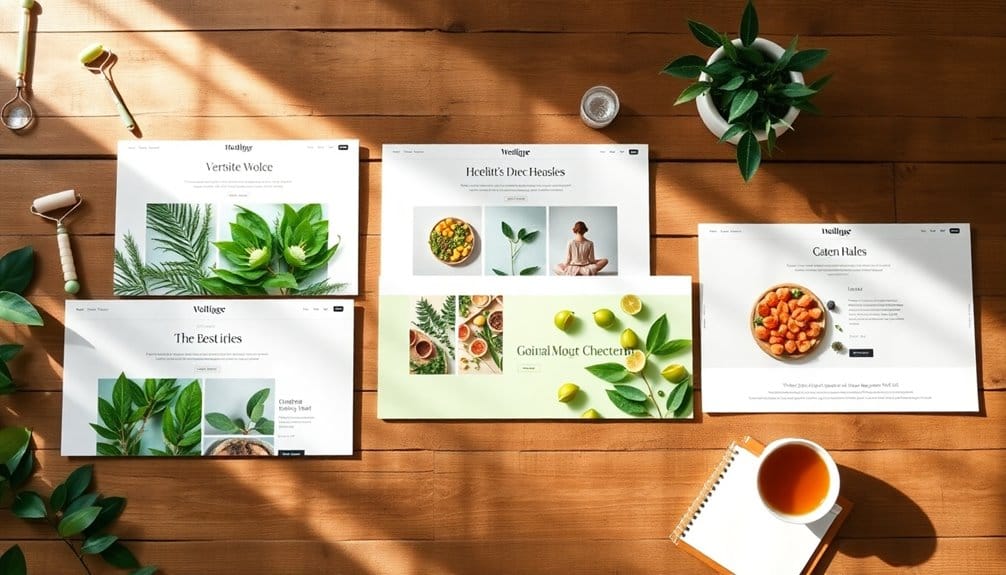
With the right features in mind, selecting a premium theme can markedly elevate your health and wellness blog. Here are the top five themes that stand out for their design and functionality.
- Health Coach – Perfect for personal trainers, it includes appointment booking features.
- Wellness Pro – A robust option with an elegant design, optimized for SEO.
- KALLYAS – Highly customizable, ideal for showcasing health products or services.
- Avada – Offers extensive premium theme comparisons and multiple demos tailored for wellness.
- Soledad – A versatile theme with impressive layouts and user feedback analysis to guide your choices.
These themes not only enhance aesthetics but also improve user experience, making them ideal for your blogging journey.
Best Free WordPress Themes for Health and Wellness Blogs
If you’re looking to start a health and wellness blog without breaking the bank, several free WordPress themes can help you make an impact.
Themes like Astra and OceanWP offer a minimalist design that keeps your content front and center. Their clean layouts guarantee your readers can easily navigate your posts and find valuable information.
Astra and OceanWP provide minimalist designs, ensuring your content is easily accessible and engaging for readers.
Additionally, you can showcase user testimonials effectively, which builds trust and credibility with your audience.
Other options, such as Neve and Zakra, also provide customization features to match your brand’s vibe while remaining user-friendly.
With these free themes, you can create a professional-looking blog that resonates with health enthusiasts without spending a dime. Moreover, their emphasis on minimalist design ensures your content shines and provides a pleasant reading experience.
Responsive Design: Why Is It Essential for Your Audience?
Responsive design is essential for your audience because it guarantees a seamless mobile user experience.
When your health blog looks great on all devices, it boosts your search engine optimization and helps attract more visitors.
Plus, a well-optimized site can lead to increased engagement rates, keeping readers coming back for more. Additionally, a responsive design ensures that your content is accessible and visually appealing across various devices, enhancing user satisfaction.
Mobile User Experience
In today’s digital landscape, a seamless mobile user experience is crucial for engaging your audience. With more people accessing content on their smartphones, you can’t afford to overlook mobile optimization techniques. A responsive design guarantees that your site adapts to various screen sizes, making navigation easy and intuitive.
Focus on user interface design to create an appealing layout that keeps visitors interested. Use larger buttons and clear typography to enhance readability.
Quick loading times are essential, too; slow sites frustrate users and drive them away. By prioritizing mobile user experience, you’ll not only improve engagement but also encourage repeat visits.
Search Engine Optimization
As search engines increasingly prioritize user experience, having a responsive design isn’t just a nice feature—it’s vital for your audience. A responsive site adapts seamlessly to any device, ensuring visitors can easily navigate your health blog. This boosts your search engine rankings, making it easier for users to find your content.
When you conduct keyword research, you’ll discover the terms your audience is searching for, helping you create targeted content.
Plus, responsive design enhances on-page optimization by improving load times and reducing bounce rates. These factors not only attract more visitors but also keep them engaged longer.
Ultimately, a responsive design is essential for achieving better SEO results and meeting the needs of your health-conscious audience.
Increased Engagement Rates
While you might think great content is enough to engage your audience, a well-designed website plays an important role in keeping visitors on your health blog.
Responsive design guarantees your site looks good on any device, which is vital for increasing engagement rates. When users can easily navigate your blog, they’re more likely to interact with your content, leading to higher content interaction.
Incorporating effective engagement strategies, such as clear calls to action and easy-to-read layouts, can greatly enhance the user experience.
Think about how frustrating it’s to zoom in on text or scroll awkwardly; a responsive design eliminates these issues.
Ultimately, a seamless experience encourages visitors to stay longer and explore more, boosting your blog’s overall engagement.
Customization Options: Making Your Theme Unique
When it comes to your health blog, customization options can set you apart from the crowd.
You’ll want to explore color scheme flexibility, widget and plugin support, and custom header options to create a unique look that resonates with your audience. Many themes offer extensive customization that allows you to tailor your website to your brand identity, enhancing user experience and engagement.
Let’s take a closer look at how these features can enhance your site’s identity.
Color Scheme Flexibility
Color schemes play an essential role in defining your health blog’s identity and engaging your audience. By understanding color psychology, you can create an inviting atmosphere that resonates with your readers.
For instance, calming blues and greens evoke tranquility, while vibrant oranges and yellows can energize and motivate.
Look for themes that offer theme adaptability, allowing you to easily modify colors to match your brand or seasonal changes. This flexibility helps you maintain a fresh look, keeping your content visually appealing without losing your unique style.
Widget and Plugin Support
To truly make your health blog stand out, you’ll want a theme that offers robust widget and plugin support. With effective widget integration and excellent plugin compatibility, you can enhance functionality and tailor your site to your audience’s needs.
Consider these features:
- Customizable sidebars for targeted content
- Social media widgets to boost engagement
- Newsletter sign-up forms to grow your email list
- SEO plugins to improve visibility
These aspects not only give your blog a unique flair but also help you manage and present information more effectively.
Custom Header Options
While a well-designed theme is essential, custom header options can truly elevate your health blog’s identity. With the right customization, you can create a header layout that reflects your unique style and mission.
Start by incorporating a custom logo design to establish brand recognition. This logo can be paired with various header layout options, allowing you to choose between a classic, centered look or a more dynamic, offset design.
Consider adding navigation menus or social media links directly in the header to enhance user experience. These features not only improve functionality but also create a cohesive look.
SEO-Friendly Themes: Boost Your Blog’s Visibility
When you choose an SEO-friendly theme for your health blog, you’re setting the foundation for better visibility in search engines.
These themes simplify the implementation of effective SEO strategies, guaranteeing your content reaches a wider audience.
SEO-friendly themes streamline the execution of powerful strategies, ensuring your content connects with a larger audience.
Focus on features that enhance your blog’s performance:
- Site speed: A fast-loading site improves user experience and search rankings.
- Mobile optimization: With many users on mobile, make sure your theme adapts seamlessly.
- Image compression: Optimize images to reduce loading times without sacrificing quality.
- Analytics tools: Integrate tools to track performance and refine your content marketing efforts.
Additionally, consider selecting a theme that offers managed WordPress hosting, as it can significantly enhance your site’s security and performance.
Integrating Social Media: Themes That Connect You
Integrating social media into your health blog is essential for building a community and expanding your reach. Choose themes that offer seamless social media integration, allowing you to share content effortlessly across platforms like Instagram, Facebook, and Twitter.
This connectivity enhances audience engagement, encouraging readers to interact with your posts and share their own experiences. Look for themes that include social sharing buttons, customizable widgets, and social media feeds to keep your content dynamic and fresh.
With the right theme, you can create a vibrant online presence that not only draws in new visitors but also fosters meaningful connections with your audience. Additionally, utilizing responsive design ensures that your social media widgets function seamlessly across devices, maximizing user interaction.
E-Commerce Capabilities: Selling Products Through Your Blog
If you’re looking to monetize your health blog, e-commerce capabilities are essential. You’ll want to integrate payment gateways for smooth transactions, showcase your products effectively, and manage your inventory efficiently. With the right WordPress theme, selling products directly through your blog becomes straightforward and impactful. Additionally, leveraging secure payment processing can build trust with your customers and reduce cart abandonment rates.
Integrating Payment Gateways
As you explore ways to monetize your health blog, adding e-commerce capabilities can greatly enhance your revenue potential.
Integrating payment gateways is essential for facilitating smooth transactions and guaranteeing customer satisfaction. Here are some key points to reflect on:
- Payment Processing Options: Choose from providers like PayPal, Stripe, or Square.
- Secure Transactions: Confirm SSL certificates are in place to protect your customers’ data.
- User-Friendly Experience: Select gateways that offer an intuitive checkout process.
- Multiple Currencies: Evaluate options that support various currencies if you’re targeting an international audience.
Product Display Options
To effectively showcase your products on your health blog, consider various display options that not only enhance aesthetics but also improve user experience.
Start with product image optimization—high-quality images grab attention and can considerably boost conversions. Use techniques like zoom features and lightboxes to give visitors a closer look at your offerings.
Incorporate product showcase techniques such as grids, sliders, or carousels to present multiple items neatly. You might also want to highlight best-sellers or new arrivals prominently on your homepage.
Don’t forget to include clear, compelling descriptions to complement the visuals. By thoughtfully implementing these strategies, you’ll create an engaging shopping experience that keeps your audience coming back for more.
Inventory Management Features
While managing your inventory might seem challenging, having robust inventory management features is vital when selling products through your health blog.
Effective inventory tracking systems can streamline this process, helping you keep tabs on your products effortlessly. Here are some key features you should look for:
- Real-time stock level management: Know exactly what you have in stock at all times.
- Automated low-stock alerts: Get notified when it’s time to reorder, preventing stockouts.
- Sales reporting tools: Analyze trends and make informed decisions on product offerings.
- Seamless integration with e-commerce platforms: Verify your inventory syncs across all sales channels.
With these tools, managing your inventory becomes a breeze, allowing you to focus on creating valuable content for your audience.
User-Friendly Navigation: Enhancing Visitor Experience
When visitors land on your health blog, intuitive navigation can make all the difference in their experience.
Utilizing user experience strategies is key to keeping them engaged. Start with intuitive layouts that guide users seamlessly through your content. Organize menus logically, and use clear labels so visitors know exactly where to find the information they need.
Incorporate search functionality to help them quickly locate specific topics. Confirm your design is responsive, allowing for easy navigation on both desktop and mobile devices. Additionally, leveraging SEO optimization plugins can enhance your site’s visibility and ensure that users find your content more easily.
Best Themes for Specific Niches: Fitness, Nutrition, and More
For fitness and nutrition bloggers, selecting a theme that reflects your unique focus is essential. Here are some features to take into account:
- Clean, modern design that enhances fitness blog aesthetics
- Customizable layouts to showcase recipes or workout routines
- Integration with social media to boost engagement
- SEO-friendly options to support your nutrition content strategies
Selecting a theme that aligns with your niche helps you connect with your audience effectively. Additionally, themes like Astra offer exceptional speed and code-free customization, making them ideal for health and wellness blogs.
Choosing a theme that resonates with your niche is key to engaging your audience meaningfully.
Whether you’re sharing workout tips or healthy recipes, the right theme can make all the difference in presenting your content professionally and attractively.
How to Install and Customize Your Chosen Theme
Installing and customizing your chosen WordPress theme can feel challenging, but it’s a straightforward process that can dramatically enhance your blog’s appeal.
Start with a solid theme selection; review the installation guide that usually accompanies it. Follow the steps for installation, and you’ll be set up in no time.
Next, immerse yourself in customization tips—adjust design elements to reflect your brand. Stick to best practices, like ensuring plugin compatibility and optimizing performance.
Regularly check for theme updates to keep everything running smoothly. If you encounter troubleshooting issues, don’t hesitate to consult user feedback for solutions.
Tips for Maintaining Your Blog’s Aesthetic and Functionality
After customizing your theme, maintaining its aesthetic and functionality is essential for keeping your health blog appealing and user-friendly.
To enhance visual consistency and boost user engagement, consider these tips:
Enhancing visual consistency and user engagement is key to a successful health blog; consider implementing these effective strategies.
- Regularly update your theme to guarantee compatibility and access to new features.
- Use a cohesive color palette that reflects your brand and resonates with your audience.
- Optimize images and content for fast loading times, which enhances user experience.
- Encourage interaction by adding comment sections, polls, or social sharing buttons to foster community engagement.
Conclusion
In the vibrant landscape of health and wellness blogging, choosing the right theme is like finding the perfect frame for a masterpiece. It not only enhances your content but also invites readers in with open arms. By selecting a theme that reflects your passion and purpose, you’ll create a welcoming haven for your audience. So, immerse yourself in the world of themes, customize with flair, and watch your blog flourish like a garden in full bloom!