
Micro-interactions are your ticket to making your WordPress site feel premium. They include engaging hover animations, delightful button effects, and subtle loading indicators that keep users informed. Smooth changes enhance navigation, while interactive forms transform input into rewarding experiences. Meaningful notifications provide context, ensuring your users feel connected. Applying these elements boosts engagement and satisfaction. Want to discover more ways to elevate your site? Let’s explore additional micro-interactions that can transform your website experience.
What Are Micro-Interactions and Why Do They Matter?
Micro-interactions are the subtle yet impactful animations and feedback you encounter during your digital experience. They’re the little details that can greatly enhance user engagement on your WordPress site.
Think of micro interaction examples like a button changing color when you hover over it, or a subtle animation when you submit a form. These elements create a more interactive atmosphere, making your site feel alive and responsive.
They also provide immediate feedback, reassuring users that their actions have been recognized. By integrating micro-interactions, you not only improve usability but also foster emotional connections with your audience. Incorporating call to action widgets can further enhance user engagement and prompt desired actions.
Ultimately, these small touches can lead to increased satisfaction and retention, making your site a more inviting place for visitors.
Engaging Feedback: The Power of Hover Animations
Hover animations can greatly enhance your website’s user experience by providing clear visual cues. When designed thoughtfully, these subtle interactions encourage visitors to engage more with your content. Additionally, incorporating local keyword optimization can help improve your site’s visibility and attract more relevant traffic, further enhancing user engagement.
Visual Cues Enhance Experience
When you explore a website, the subtle animations that respond to your actions can greatly enhance your experience. These visual cues not only provide immediate feedback but also create a sense of interactivity.
By employing hover animations, you establish a clear visual hierarchy, guiding users through your content. For instance, buttons that change color or size on hover signal their importance, encouraging clicks.
Moreover, maintaining design consistency across these animations reinforces your brand identity. When users encounter familiar animations, they feel more comfortable maneuvering through your site.
This consistency fosters trust and keeps visitors engaged. So, don’t overlook the power of hover animations; they can make your WordPress site feel more premium and elevate the overall user experience.
Encouraging Interaction Through Design
Effective design encourages users to engage with your website, and one of the simplest yet most impactful ways to achieve this is through well-crafted hover animations.
These animations enhance design aesthetics while providing instant feedback, making users feel more connected to your content. When users hover over buttons or links, a subtle change in color, size, or movement can spark curiosity and invite action.
This dynamic interaction not only makes your site more visually appealing but also boosts user engagement. You can guide visitors toward important calls-to-action and encourage exploration through these playful interactions.
Subtlety: Less Is More
Crafting engaging feedback through hover animations is all about balance. When you embrace minimalist design, you’ll find that less truly is more.
Subtle hover effects can elevate your site’s usability without overwhelming the user. For example, a gentle color change or slight scale transformation can guide visitors’ eyes without distracting them. This understated elegance not only enhances the user experience but also reinforces your brand’s identity.
Remember, the key is to keep animations light and unobtrusive; you want to invite interaction, not demand it. By focusing on simplicity, you’ll create a seamless flow that encourages users to explore without feeling bombarded.
Ultimately, these small touches can make your WordPress site feel polished and premium.
Delightful Button Effects: Transforming Clicks Into Experiences
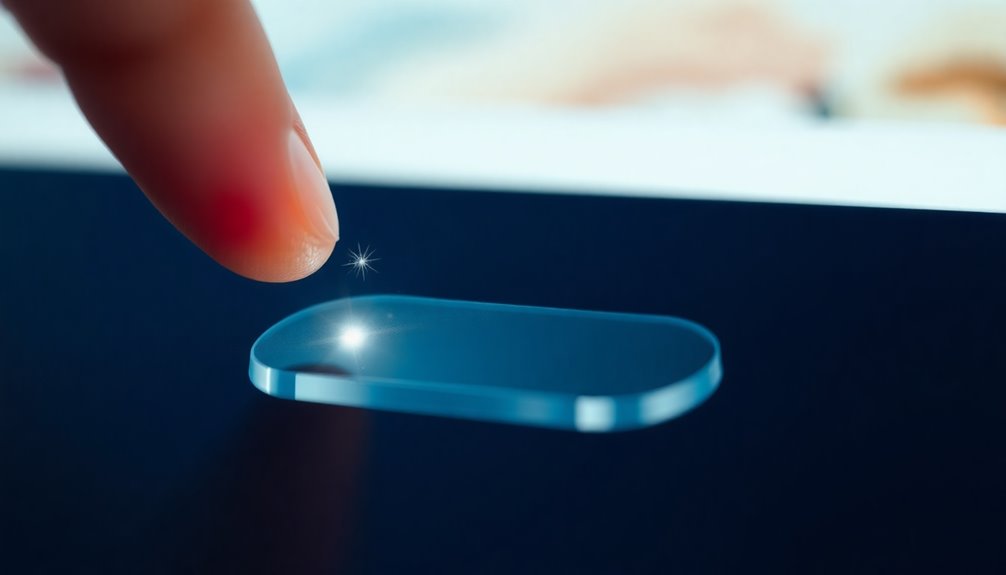
Buttons are more than just functional elements on your website; they’re opportunities to engage your users in memorable ways. By incorporating delightful button animations, you can transform a simple click into an exciting experience.
For instance, when a user hovers over a button, a subtle scale-up effect or color change can create anticipation. Once clicked, adding click feedback like a brief ripple effect or a slight bounce can provide instant gratification, making users feel like their action is acknowledged. These small yet impactful interactions can enhance your site’s overall feel, making it seem more polished and professional. Additionally, ensuring your website’s security with regular automated backups can prevent potential data loss, allowing users to enjoy these experiences without interruption. So, invest a little time in perfecting your button effects, and watch how they elevate user engagement on your WordPress site.
Subtle Loading Indicators: Keeping Users Informed
When users interact with your site, it’s essential they know something’s happening, especially during loading times. Subtle loading indicators can enhance user awareness and improve their overall experience. Additionally, implementing strong passwords and security measures can ensure that your website remains secure while providing a smooth experience for users. Let’s explore the different types of loading indicators and best practices for implementing them effectively.
Importance Of User Awareness
User awareness plays an essential role in enhancing the overall experience on your WordPress site, especially when it comes to subtle loading indicators. By keeping users informed about what’s happening during load times, you increase their trust and patience.
The user awareness benefits are clear: informed users are more likely to stay engaged rather than bouncing away in frustration. Implementing effective user engagement strategies, like using visual cues or animations, can transform waiting moments into a seamless part of the browsing experience.
These subtle interactions not only maintain user attention but also elevate the perceived quality of your site. Ultimately, prioritizing user awareness through these indicators leads to a smoother, more enjoyable experience for your visitors.
Types Of Loading Indicators
Subtle loading indicators come in various forms, each designed to keep visitors informed and engaged while content is loading.
You might encounter spinner types that rotate to signal activity, or progress bars that visually represent the loading status. Animated dots can also create a dynamic feel, giving users something to watch as they wait.
Pulse indicators provide a gentle breathing effect, indicating ongoing processes without being intrusive. Percentage loaders show exactly how much of the content is ready, keeping expectations clear.
Finally, skeleton screens display a simplified version of the content layout, reassuring visitors that loading is in progress.
Choosing the right type enhances user experience and makes your site feel more premium.
Best Practices For Implementation
To effectively implement subtle loading indicators, it’s vital to prioritize user experience by ensuring they’re not only informative but also visually appealing.
Start by choosing a loading indicator that aligns with your site’s design; this keeps the visual flow consistent. Use animations that are smooth and not overly distracting, as they should enhance, not hinder, the experience.
Additionally, consider incorporating progress percentages or estimated time remaining to give users a better sense of completion. Avoid long loading times altogether by optimizing your site’s performance.
Finally, test different indicators with real users to gather feedback—this is a significant best practice that can help you refine the experience further.
Smooth Transitions: Enhancing Navigation Fluidity
When you navigate a website, the experience can feel jarring if changes are abrupt or clunky. To enhance navigation fluidity, consider implementing smooth shifts that create a more enjoyable user experience.
Here are some micro-interactions to focus on:
- Smooth scroll: This feature allows users to glide through content seamlessly, making them feel more connected to the site.
- Animated menus: They can add flair and guide users effortlessly through your site, providing visual feedback as they explore.
- Hover effects: Subtle changes on hover can indicate clickable elements, improving usability.
- Loading animations: These keep users engaged while content loads, reducing frustration.
Additionally, incorporating drag-and-drop functionality can streamline the design process, allowing for easy integration of smoother transitions and animations.
Interactive Forms: Making Input Feel Rewarding
While filling out forms can often feel tedious, incorporating interactive elements can transform the experience into something enjoyable and rewarding. By using dynamic validation, you can provide instant feedback as users fill out fields, helping them know they’re on the right track. This immediate response not only reduces frustration but also encourages completion.
To enhance the experience further, consider adding reward animations that celebrate user actions, like confetti bursting when a form is successfully submitted. These small, engaging touches make the process feel more interactive and less like a chore. Additionally, implementing a user-friendly interface can further streamline the form-filling process, making it easier for users to navigate and complete their submissions.
Ultimately, by focusing on these micro-interactions, you create a more gratifying atmosphere that encourages users to engage with your WordPress site without hesitation.
Meaningful Notifications: Adding Context to User Actions
Meaningful notifications can greatly enhance user experience by providing context to their actions on your WordPress site.
Meaningful notifications enrich user experience, offering essential context for actions taken on your WordPress site.
When you implement contextual alerts, users receive valuable feedback that helps them navigate your site efficiently.
Here are four ways to make notifications meaningful:
- Action Confirmation: Let users know their actions were successful, like submitting a form.
- Error Messages: Provide clear, specific guidance on what went wrong and how to fix it.
- Progress Updates: Inform users about ongoing processes, like uploads or downloads.
- Personalized Tips: Offer tailored suggestions based on user behavior to improve engagement.
Additionally, ensuring that your site is secure through regular updates can help maintain user trust and satisfaction.
Conclusion
Incorporating these micro-interactions into your WordPress site can elevate the user experience, making it feel as premium as a luxury car. By adding engaging feedback, delightful button effects, and smooth changes, you create an inviting atmosphere that keeps users coming back. Remember, it’s the little details that make a big difference. So, take the time to refine these elements, and watch your site transform into a seamless and enjoyable journey for every visitor.